
RF Components · Research & OEM Receivers
RF Low Noise Amplifier Modules
Low noise amplifier (LNA) modules for receive-side RF chains, laboratory hardware and OEM equipment. Compare three models by frequency range, gain, noise figure, supply and installation requirements.
Model Comparison
Review the module against your receive-band requirement.
Review the model specifications and product reference views. Confirm the hardware version and applicable specification with your order.
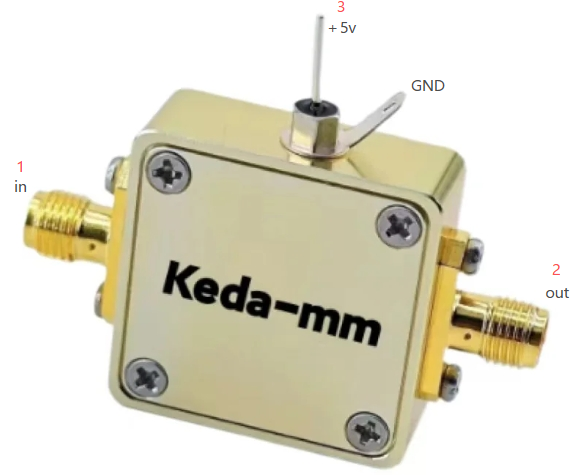
LNA-2-6G
Interface reference view.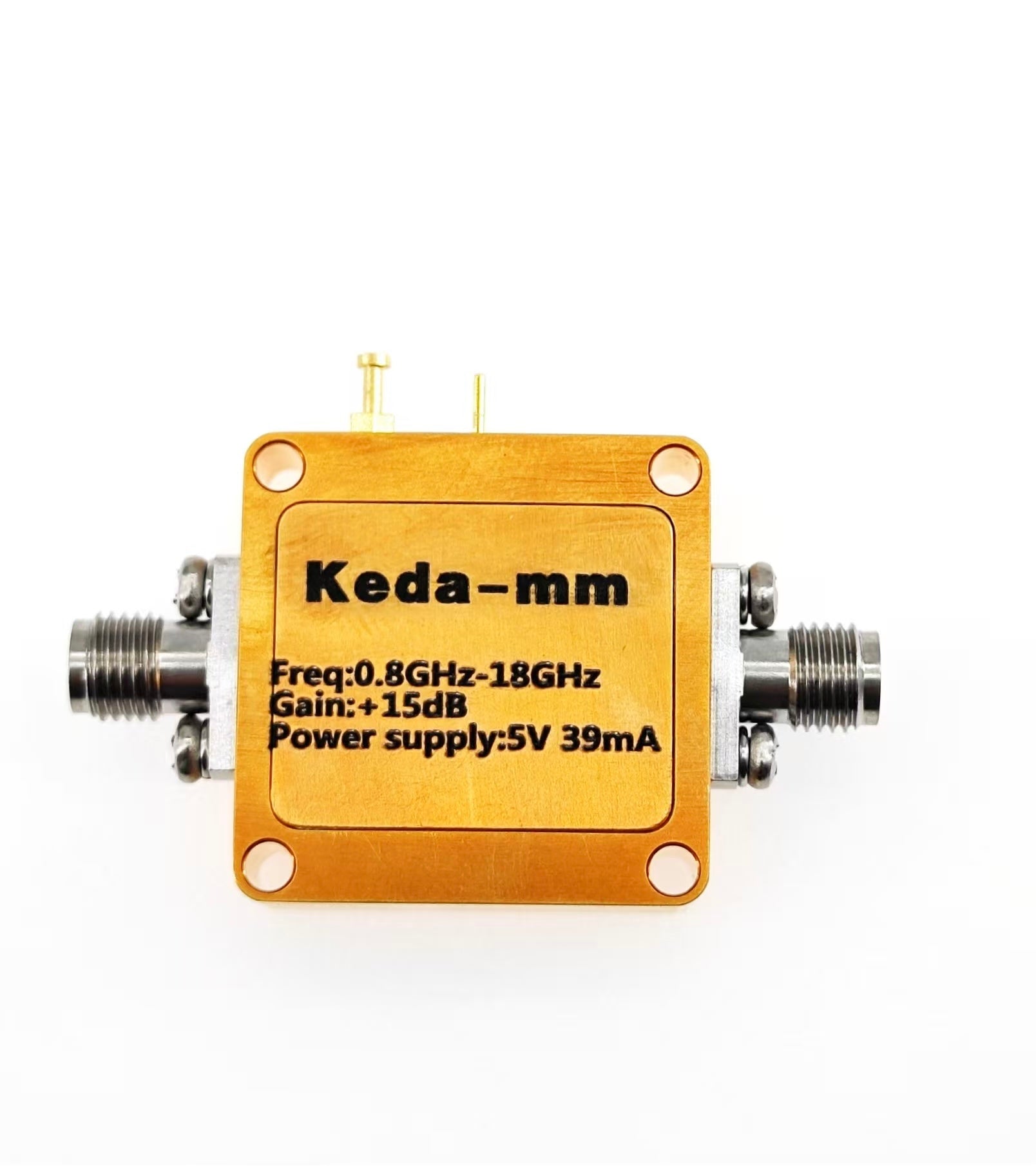
LNA-0.8-18G
Module appearance reference.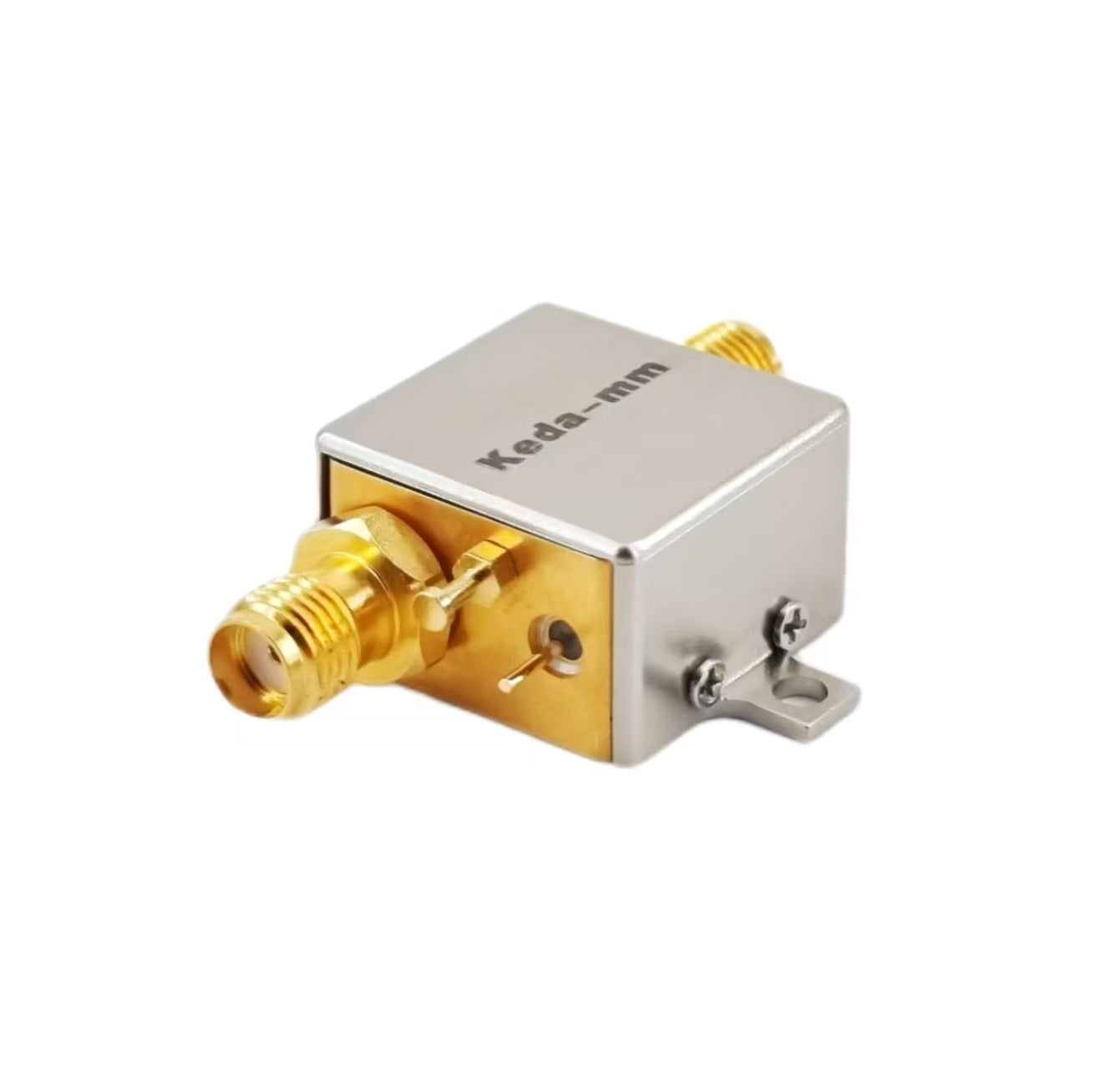
LNA-0.8-12G
Module appearance reference.On smaller screens, scroll horizontally to compare all three models.
| Specification | LNA-2-6G | LNA-0.8-18G | LNA-0.8-12G |
|---|---|---|---|
| Frequency range | 2–6 GHz | 0.8–18 GHz | 0.8–12 GHz |
| Gain | 29 dB typical | 15 dB typical | 15 dB typical |
| Noise figure | 0.6 dB typical | 1.6 dB | 1.6 dB |
| Supply voltage | +5 V | +5 V | +5 V |
| Current | 42 mA typical | 39 mA typical | 39 mA typical |
| Reference dimensions | 27 × 27 × 10 mm (±0.1) | 26 × 26 × 10 mm (±0.1) | 18.8 × 17.1 × 11.68 mm (±0.1) |
| RF impedance | 50 Ω | 50 Ω | 50 Ω |
| RF connectors | SMA female | SMA female | SMA female |
These are reference specifications for model selection. Typical values apply to the stated operating and test conditions; confirm the applicable performance limits for your configuration. Request drawings for the connector envelope, mounting and installation clearance. Confirm the supplied revision and operating conditions before ordering.
Integration Conditions
Confirm RF, supply and installation details.
Check the module against the source, receiver and mechanical platform in your proposed receive chain.
Band and signal levels
Share the required frequency range, gain and noise figure, together with the input-level range and connected receiver. Request the applicable linearity, compression and matching specifications where these affect your design.
Power and connections
Confirm supply voltage, current requirements, polarity, connector mating and the actual wiring definition for the selected hardware version. Include any control or enable-interface requirement in the inquiry.
Mounting and environment
Request dimensions, mounting details, connector clearance and thermal requirements for the installation. State the enclosure space and operating environment so that the mechanical and environmental conditions can be reviewed.
Review related components and confirm frequency, signal-level, power and interface suitability for any proposed connection.
Selection FAQ
Questions before ordering an LNA.
How do I choose between the three models?
Start with the required frequency range, then compare the gain and noise specification and check the supply and interfaces. Send the expected signal levels and receiver requirements for a model-specific review.
What if a required parameter is not listed?
Include the missing parameter and the measurement condition in your inquiry. Ask for the model-specific RF, supply, environmental or mechanical data needed for your design.
Can I request a sample or model-specific documentation?
Yes. Send the target model, quantity and integration requirement through Contact. Available specifications, drawings, sample arrangements, pricing and lead time are confirmed for the proposed order.
Can the LNA connect to a listed antenna or processing board?
Share the exact model and proposed interface for review. Suitability depends on the frequency band, input and output signal levels, impedance, connector, supply and installation conditions of both components.
OEM Component Procurement
Request an LNA specification review or quotation.
On Contact, select OEM Modules & Boards. Include the model or required frequency range, gain and noise requirements, supply and interface constraints, quantity, delivery destination and timeline. Add the drawings or acceptance criteria required for your research or OEM project.